Electric vehicles (EVs) are no longer just a glimpse into a distant future — they are parked in driveways, zipping through city streets, and quietly revolutionizing the way the world moves. Whether you are driven by environmental concerns, rising fuel costs, or simple curiosity about new technology, understanding EVs has never been more relevant. This guide breaks it all down in plain language — and if you want to explore specific models, check out our Hyundai Ioniq 3 review.
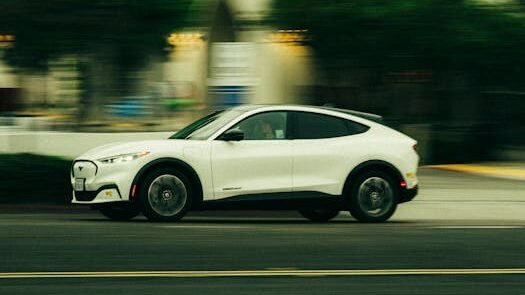
How Does an Electric Vehicle Work? The Simple Explanation
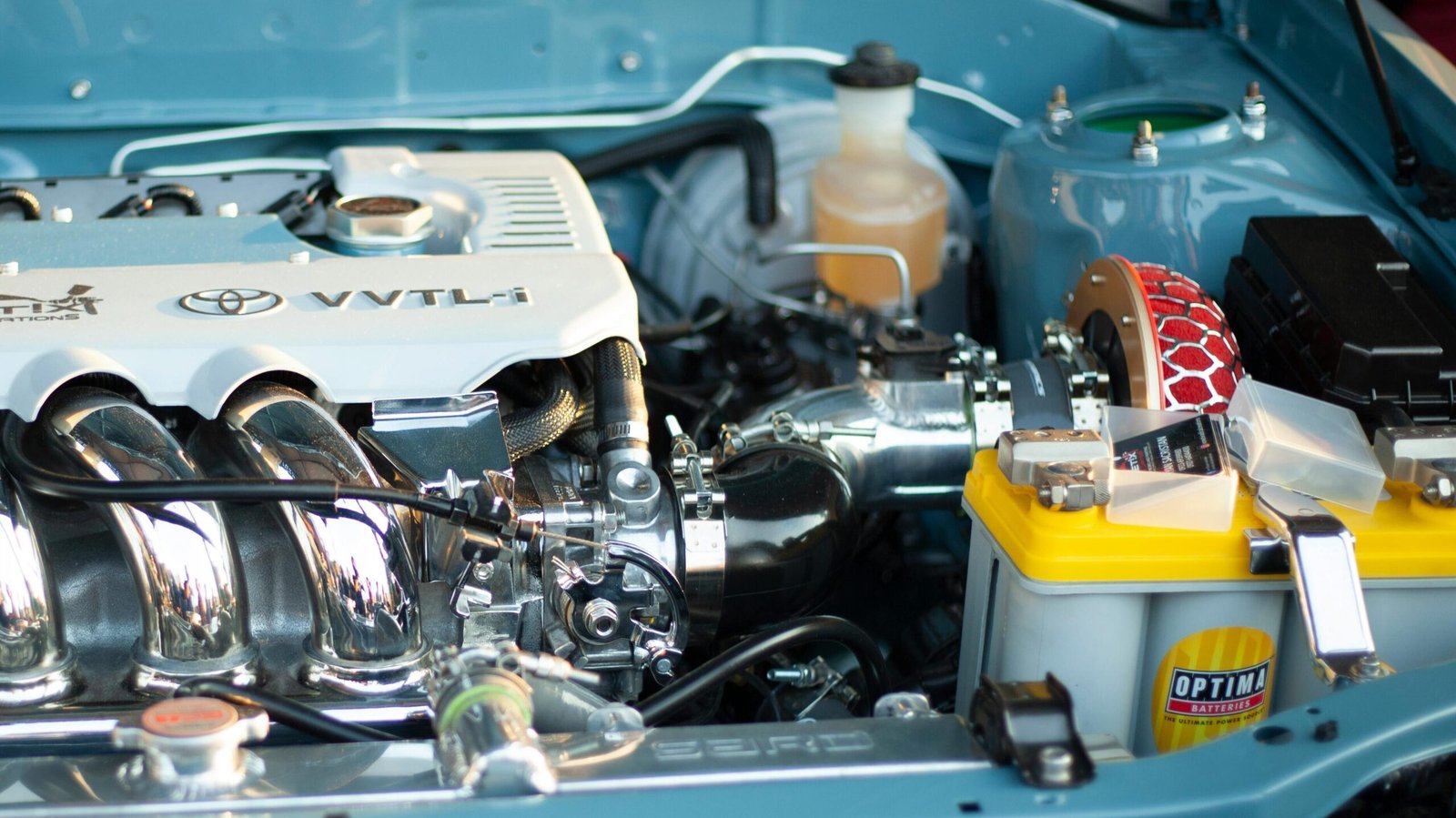
At its core, an electric vehicle replaces the internal combustion engine with one or more electric motors powered by a large rechargeable battery pack. When you press the accelerator, the battery sends electrical energy to the motor, which converts it into mechanical energy to spin the wheels. It is that straightforward — no spark plugs, no exhaust pipe, no gears to change.
Why Electric Vehicles Are Far More Efficient Than Petrol Cars?
One of the most impressive aspects of electric motors is their efficiency. A conventional petrol engine converts roughly 20 to 40 percent of fuel energy into motion — the rest is lost as heat. An electric motor, by contrast, converts up to 80 percent of battery energy directly into movement. That is a fundamental advantage that shows up every time you check your running costs.
EVs also use a clever system called regenerative braking. When you lift your foot off the accelerator or apply the brakes, the motor runs in reverse, acting as a generator to recover kinetic energy and feed it back into the battery. It is a small but meaningful efficiency gain on every journey.
Types of Electric Vehicles Explained: BEV, PHEV, and HEV
Which Type of Electric Vehicle Best Suits Your Lifestyle?
Not all EVs are the same. It helps to know the three main categories:
- Battery Electric Vehicles (BEVs) run entirely on electricity. They have no petrol engine whatsoever. Examples include the Tesla Model 3, Hyundai IONIQ 6, and BYD Atto 3.
- Plug-In Hybrid Electric Vehicles (PHEVs) combine an electric motor with a traditional petrol engine. They can run on electricity for shorter journeys — typically 30 to 80 kilometres — then switch to petrol for longer trips.
- Hybrid Electric Vehicles (HEVs) use an electric motor to assist the petrol engine but cannot be plugged in. The Toyota Prius is the most recognisable example. These are a useful stepping stone but not true EVs.
The Real Benefits of Owning an Electric Vehicle
Lower running costs are one of the most compelling reasons people switch — something we cover in detail in our electric vehicles guide. Electricity is significantly cheaper per kilometre than petrol or diesel, and EVs have far fewer moving parts — no oil changes, no timing belts, no exhaust systems to replace. Brake pads even last longer thanks to regenerative braking.
Are Electric Vehicles Really Better for the Environment?
From an environmental perspective, a fully electric vehicle produces zero tailpipe emissions. While the carbon footprint of manufacturing an EV — particularly its battery — is higher than a conventional car, studies consistently show that over the full lifetime of the vehicle, an EV produces substantially fewer greenhouse gas emissions, especially as electrical grids become greener.
Then there is the driving experience. Electric motors deliver instant torque, meaning even modest family EVs feel brisk and responsive off the line. The cabin is noticeably quieter, and the low centre of gravity from the floor-mounted battery gives many EVs surprisingly confident handling.
Charging an Electric Vehicle: Everything You Need to Know
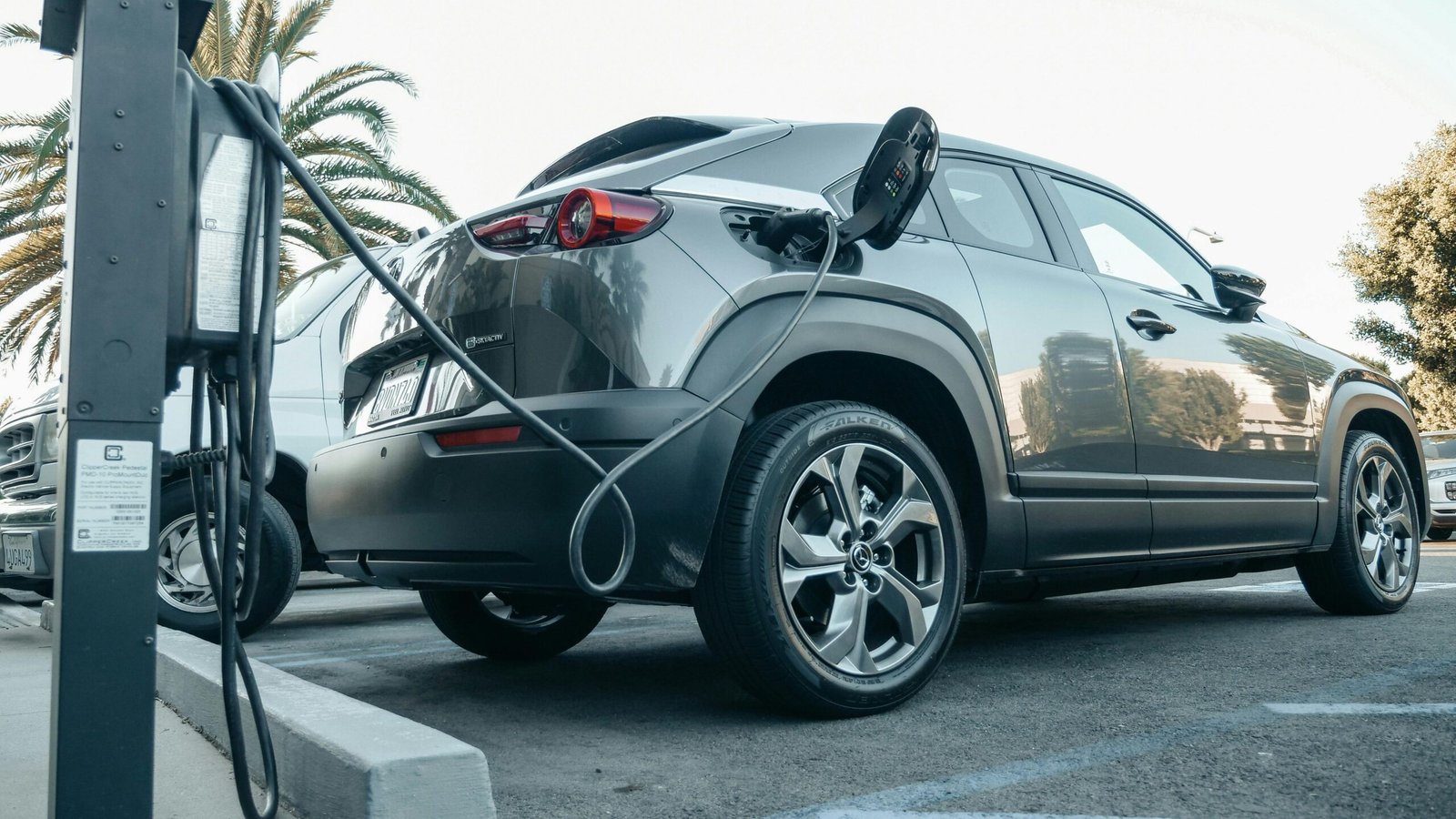
How Long Does Charging an Electric Vehicle Actually Take?
Charging is the topic that trips up most prospective EV buyers, but it is simpler in practice than it first appears. There are three main levels of charging to understand:
- Level 1 (standard home socket): Slow but always available. Adds roughly 10 to 15 kilometres of range per hour. Fine for overnight charging if your daily mileage is modest.
- Level 2 (home wallbox or public AC charger): The sweet spot for most owners. A 7 kW home charger can fully replenish most EVs overnight, adding around 50 kilometres of range per hour.
- Level 3 (DC rapid charger): The fast option found at motorway services. These can charge many EVs from 20 to 80 percent in as little as 20 to 45 minutes, depending on the vehicle.
For the vast majority of drivers, home charging covers daily needs entirely. Long-distance travel is where planning becomes important — but the rapid charging network is expanding quickly in most regions.
Electric Vehicle Range Anxiety: Is It Still a Real Concern in 2026?
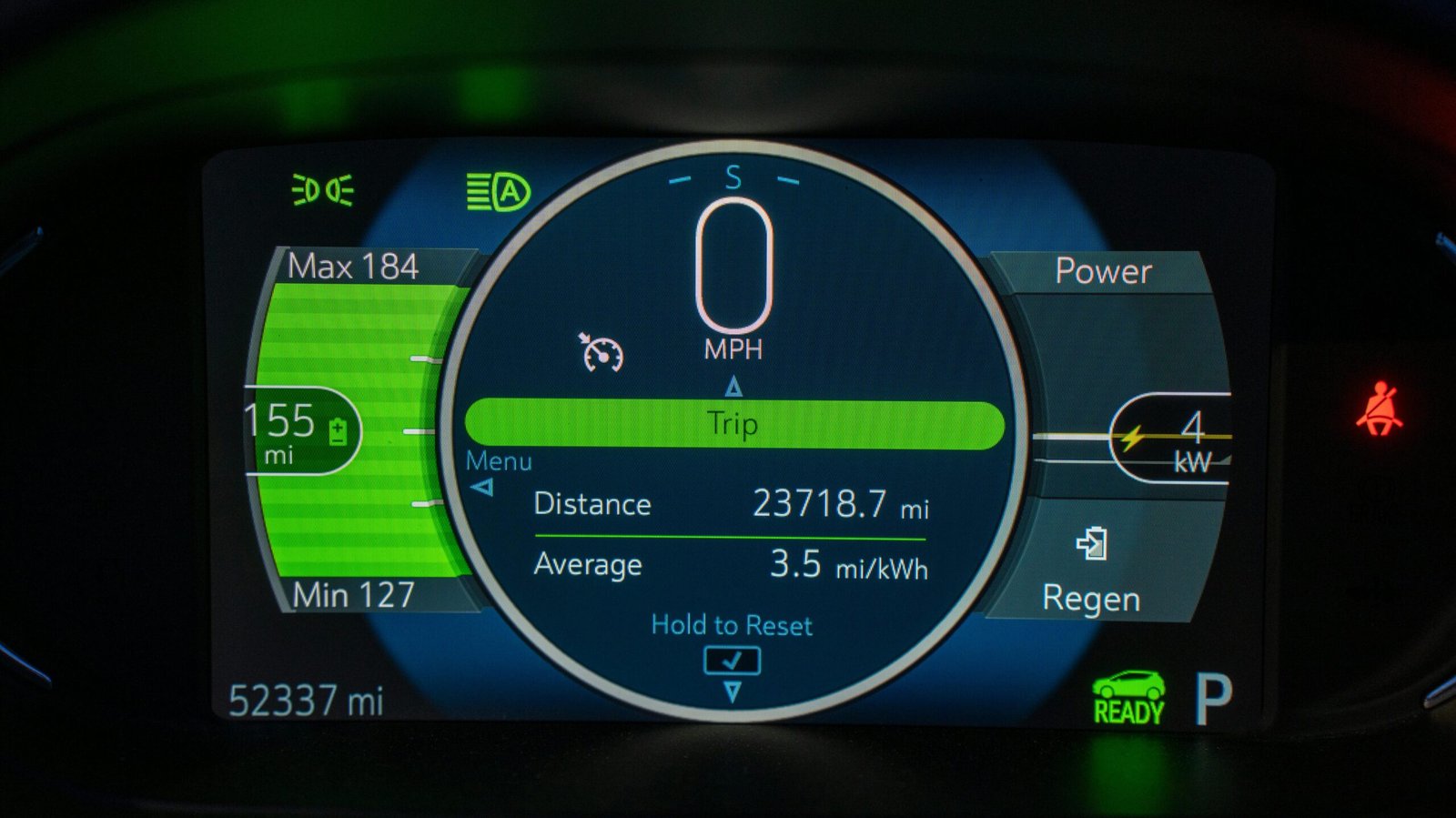
How Far Can a Modern Electric Vehicle Actually Go?
Range anxiety — the fear of running out of charge — was a legitimate barrier in the early days of EVs. Most first-generation electric cars offered 100 to 150 kilometres of real-world range. Modern EVs tell a different story. Many mainstream models now achieve 400 to 500 kilometres on a single charge, and premium long-range variants push beyond 600 kilometres.
Research consistently shows that most people drive fewer than 60 kilometres on a typical day. For that demographic, even a smaller-battery EV offers more than enough range for everyday use, with a full charge waiting every morning at home.
Key Things to Consider Before Buying an Electric Vehicle

If you are seriously considering making the switch, here are the most important factors to weigh up before signing anything:
- Your daily driving habits: How far do you actually drive each day? Be honest. Most people are better served by a mid-range EV than they realise.
- Home charging access: Do you have a driveway or garage? Installing a home wallbox transforms the ownership experience. If you rely solely on public charging, factor in your nearest rapid charger.
How to Work Out the True Cost of Owning an Electric Vehicle
- Total cost of ownership: The upfront price of an EV is often higher than an equivalent petrol car, but lower fuel and maintenance costs typically close that gap significantly over three to five years.
- Available incentives: Many governments offer purchase grants, tax credits, or reduced road tax for EV buyers. Check what is available in your region before finalising your budget.
The Road Ahead: Why Electric Vehicles Are Here to Stay
Electric vehicles have crossed a critical threshold. They are no longer early-adopter curiosities — they are practical, affordable, and increasingly the default choice for new car buyers around the world. Battery costs continue to fall, range continues to improve, and charging infrastructure is expanding rapidly.
What Does the Future Look Like for Electric Vehicles?
Whether you are ready to buy today or simply want to understand what all the noise is about, one thing is clear: the shift to electric is not a question of if, but when. And for many drivers, that when is already now.

2 Comments
Hyundai Ioniq 3 — The Electric Hatchback Nobody Saw Coming - elektravehicle.site · April 23, 2026 at 7:45 am
[…] forgotten. With the Hyundai Ioniq 3, that changes right now. If you are new to EVs, start with our Electric Vehicles Explained guide […]
iPhone as Toyota Car Key: What You Need to Know - elektravehicle.site · April 23, 2026 at 8:21 am
[…] Apple’s Car Key feature directly inside the Apple Wallet — if you are new to EVs, read our Electric Vehicles Explained guide […]